




© Loyang Tua Pek Kong All Right Reserved 2014





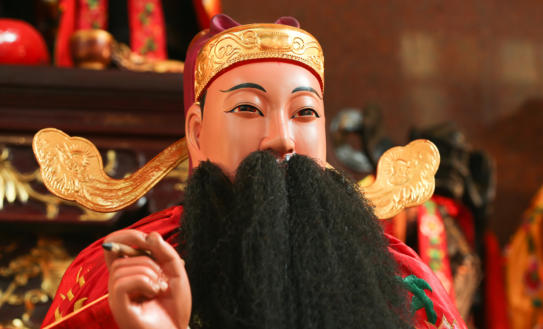
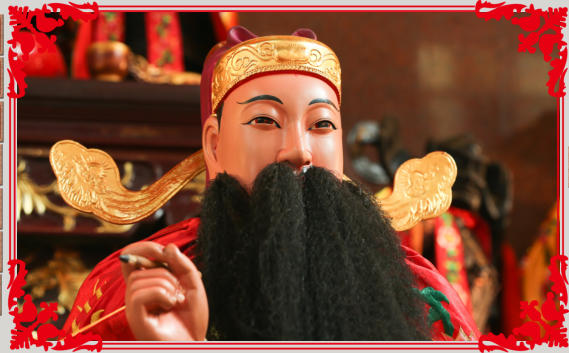
God of Culture and Literature


文昌帝君相传原为古代中国四川梓潼一带的贤人张亚子,他自幼聪明好学、勤奋读书,品德高尚
且为人公正,年少时看到乡里贫苦学子无书可读,便常借出自己的书籍并教人读书;有一次村中
发生争田纠纷,双方争执不下,他以理服人、公平断事,使两家化解仇怨,因此深受乡民敬重;
又相传他在任地方小官时清廉不贪、体恤百姓,常为穷苦人伸冤平反,甚至曾拒绝权贵贿赂,坚
持公正断案,因此名声远播;后来他去世后,人们相信其德行感动天地,灵验显赫,常显灵护佑
读书人,于是被民间奉为掌管文运与学问的神灵,到了宋朝更被皇帝敕封为文昌帝君,主管天下
功名、科举与智慧,因此历代学子在求学与考试之前都会诚心祭拜,祈求开智慧、文思敏捷、考
试顺利与金榜题名。
The story of Wenchang Dijun says that he was originally a virtuous man named Zhang Yazi from
the area of Sichuan in ancient China. From a young age he was intelligent, hardworking in his
studies, and known for his upright character. When he saw poor students in his village who could
not afford books, he would lend them his own books and even teach them how to read. In
another story, when two families in the village were arguing over farmland and the dispute
could not be settled, Zhang Yazi stepped in and judged the matter fairly with wisdom and
reason, helping both sides reconcile peacefully. Later, when he served as a local official, he
remained honest and incorruptible, cared deeply for the people, and often helped the poor
seek justice. It is also said that he once refused bribes from powerful figures and insisted on
making fair judgments, which earned him great respect among the people. After his death,
many believed his virtuous spirit continued to protect scholars and students. Over time he was
worshipped as a deity who governs learning and literary fortune, and during the Song dynasty
he was officially honored with the title Wenchang Dijun, the divine ruler of literature, wisdom,
and imperial examinations. Since then, students throughout Chinese history have prayed to him
before important examinations, hoping for wisdom, smooth studies, and success in achieving
academic honors.
鲜花、水果、清茶、糕点、文房四宝或文昌塔





